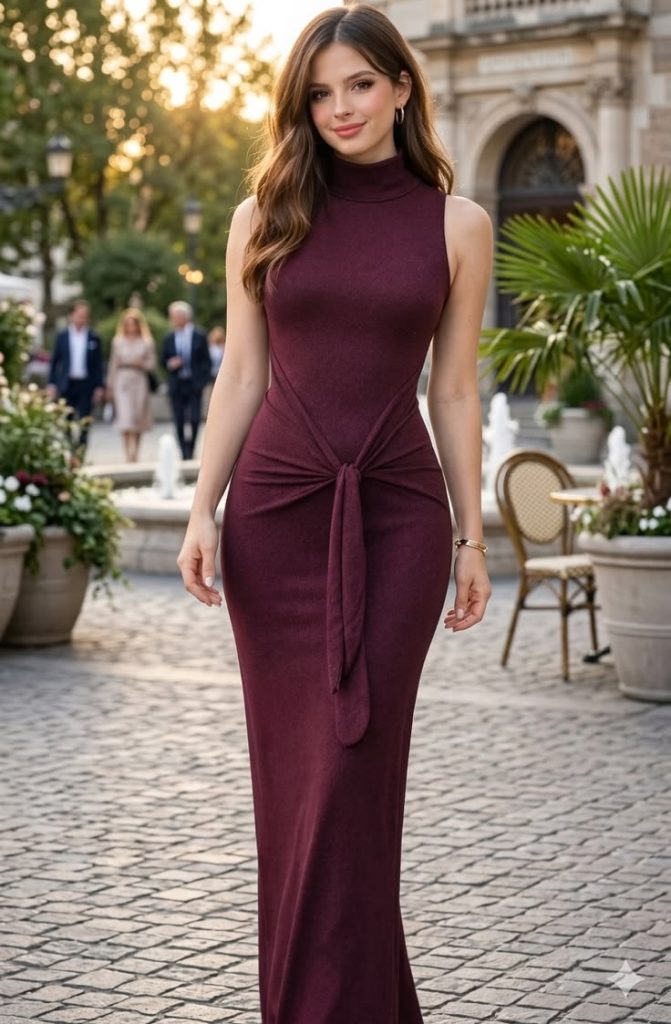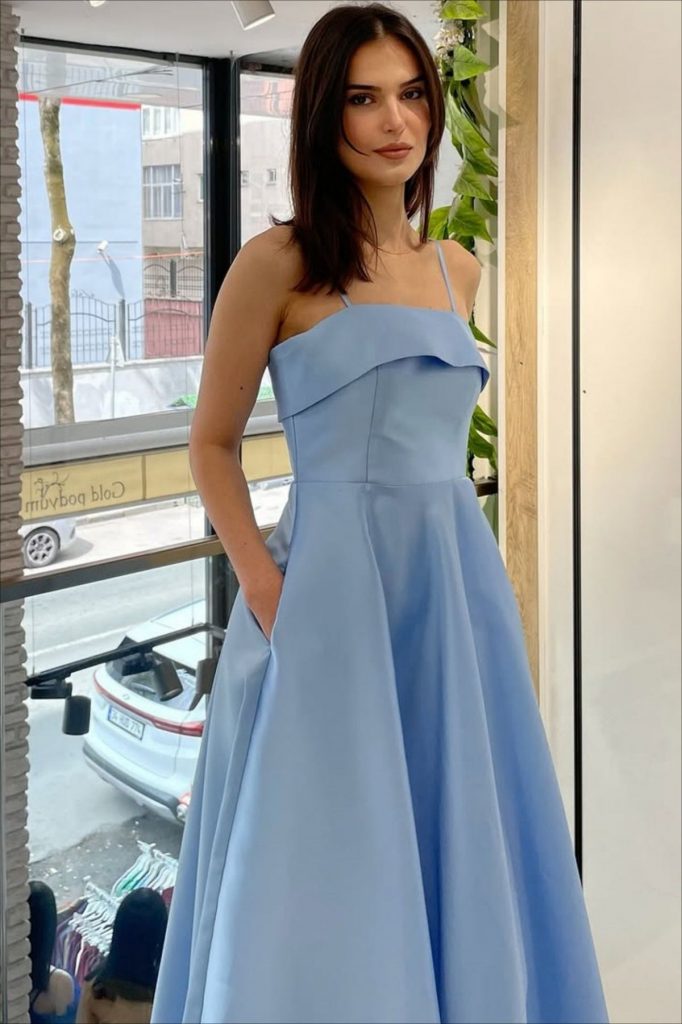
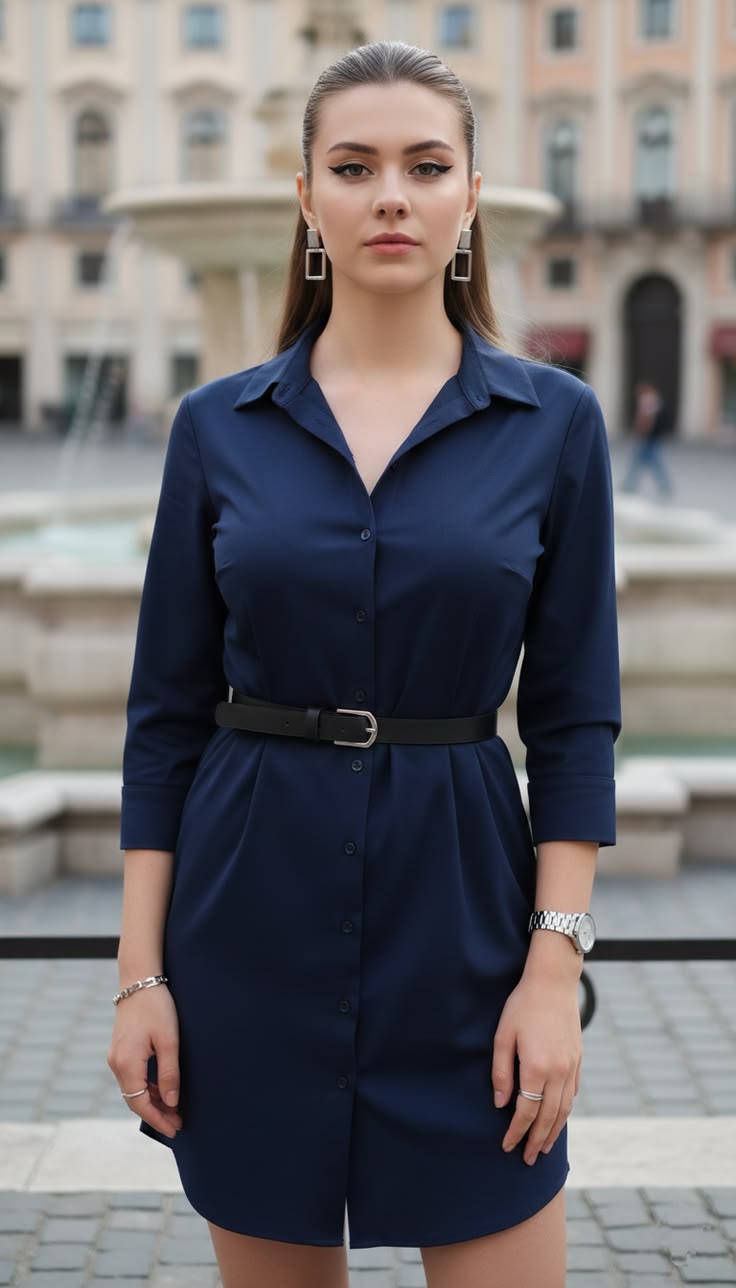
In an era where the world moves at an unprecedented pace, the garments we choose to drape over our bodies have evolved into more than mere fabric; they have become our most profound form of non-verbal communication. When we say “Fashion That Speaks Your Language,” we are not referring to words or dialects, but to the intricate syntax of silk, the bold grammar of a well-tailored blazer, and the lyrical grace of a flowing midi dress. For the modern woman, her wardrobe is her manifesto, a curated gallery of her ambitions, vulnerabilities, and triumphs.
The Semantic Power of Silhouettes and Structured Elegance
The architecture of a woman’s outfit often dictates the tone of her daily narrative. Consider the power of a structured shoulder—a design element that traces its lineage back to the pioneering eras of female empowerment. This is the language of authority. It speaks of a woman who enters a boardroom not just to participate, but to lead. When the fabric is firm, such as a high-grade wool blend or a heavy crepe, it provides a physical and psychological armor.
This structural language is balanced by the soft, fluid linguistics of draped silhouettes. A bias-cut satin gown or a lightweight linen co-ord speaks of a different dialect: the language of ease and self-assurance. It tells a story of a woman who is comfortable in her skin, someone who values movement and freedom as much as she values aesthetics. By understanding these structural cues, fashion becomes a tool for navigation, allowing a woman to adjust her “volume” depending on the room she occupies.
The Vocabulary of Textiles: From Silk Whispers to Denim Declarations
Every fiber used in modern women’s fashion carries its own historical and emotional weight. Silk, for instance, has always been the language of luxury and sensuality. Its interaction with light creates a visual shimmering effect that denotes a refined, almost ethereal presence. When a woman chooses silk, she is communicating a deep appreciation for heritage and the tactile pleasure of high-end craftsmanship.
On the other end of the spectrum lies the rugged, honest vocabulary of denim and organic cotton. These materials speak the language of the everyday muse—the woman who is grounded, active, and interconnected with the world around her. In the context of “Fashion That Speaks Your Language,” the rise of sustainable and ethically sourced textiles has added a moral dimension to this vocabulary. Choosing recycled polyester or Tencel isn’t just a style choice; it’s a statement about a woman’s commitment to the future of the planet. It is a language of responsibility that resonates far beyond the mirror.
Color Theory as the Universal Grammar of Emotion
If the silhouette is the structure and the fabric is the vocabulary, then color is undoubtedly the tone of voice. A monochromatic palette of ivory and beige speaks the language of “Quiet Luxury”—a sophisticated whisper that doesn’t need to shout to be noticed. This aesthetic, often associated with the “Old Money” style, communicates stability, timelessness, and an understated confidence.
Conversely, the strategic use of vibrant hues like cerulean blue, emerald green, or bold fuchsia serves as an exclamation point. These colors are the language of creativity and vibrance. They attract the eye and stimulate the senses, signaling an extroverted spirit and a joyful approach to life. In the realm of professional attire, the “power red” remains a classic linguistic tool, symbolizing energy and passion. By mastering the grammar of color, a woman can effectively “code-switch” her appearance to align with her internal state or the external demands of her environment.
Accessories: The Punctuation Marks of a Personal Manifesto
No language is complete without punctuation, and in the world of fashion, that role is played by accessories. A pair of gold sculptural earrings or a vintage leather belt serves as the comma, the colon, or the period at the end of a fashion sentence. They provide the necessary pause and emphasis that turn a simple outfit into a compelling story.
For the modern woman, accessories are often the most personal part of her linguistic repertoire. A cherished heirloom necklace speaks of lineage and memory, while a contemporary, avant-garde handbag speaks of a forward-thinking, artistic mindset. These small details are often what distinguish a “look” from a “language.” They are the nuances that ensure the wearer’s personality isn’t lost in the trends of the season, but rather highlighted by them.
The Evolution of the Sartorial Dialect in the Digital Age
The way fashion speaks has been fundamentally transformed by the digital landscape. Today, the “language” of fashion is global, instantaneous, and highly visual. Trends that used to take years to travel from the runways of Paris to the streets of Hanoi now move in seconds via social media. This has created a new, hybrid dialect where global aesthetics meet local sensibilities.
For the woman navigating this digital-physical hybrid world, “Fashion That Speaks Your Language” means staying true to her core identity while being open to global inspirations. It’s about the ability to blend a traditional silk scarf with a high-tech sneaker, or a classic trench coat with digital-print leggings. This fluidity is the ultimate expression of modern fashion literacy—the ability to speak multiple “style languages” simultaneously without losing one’s unique accent.